01. Overview
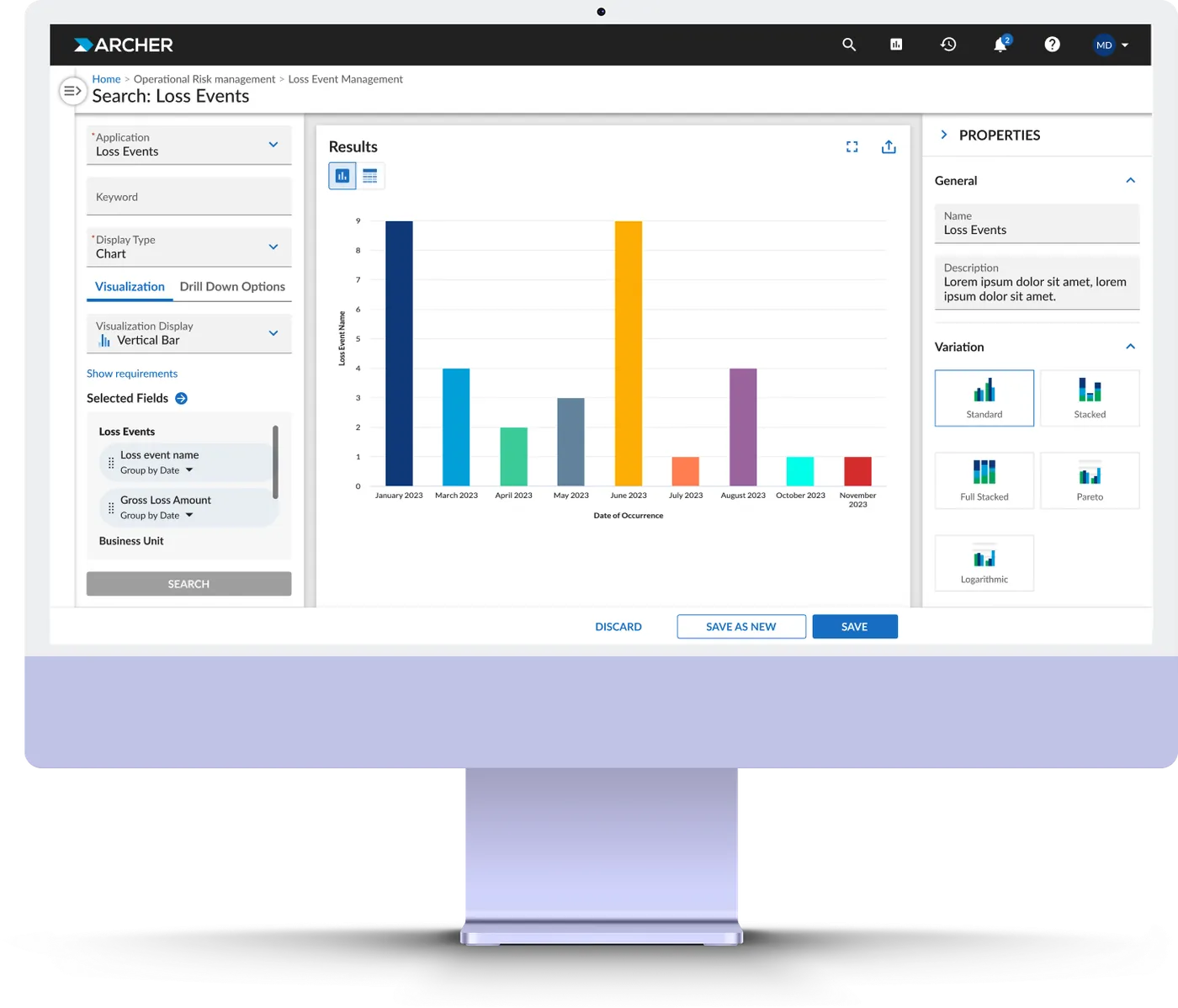
As the lead for this initiative, I transformed a legacy "Classic Search" model into a high-performance discovery tool. The focus was on eliminating systemic navigation debt and streamlining complex data filtering into a unified, single-screen experience.
02. Role & Leadership
In my capacity as Principal UX Designer, I was responsible for the strategic direction and execution of the search redesign.
Strategic Benchmarking
Led competitive analysis against SharePoint and Google Search to define modern usability standards.
System Architecture
Conceptualized the "Single Screen" and Three-Panel Layout to resolve critical navigation debt.
03. Competitive Analysis
| Criteria | Classic Experience | SharePoint | Google Search |
|---|---|---|---|
| Ease of Use | Low (Cluttered UI) | Moderate | High |
| Flexibility | Limited (Reset on Nav) | High | High |
| Navigation | Fragmented | Seamless | Seamless |
04. Solution: Three-Panel Architecture
Single-Screen Paradigm
Eliminated page-hopping, preserving search configurations and user progress during data testing.
Optimized Filtering
Redesigned filtering logic to support complex enterprise datasets without accidental exits.
05. Leadership Takeaways
Workflow over UI
Moving to a Three-Panel Layout solved core structural navigation debt rather than just aesthetic issues.
Metric-Led Design
Defining business impact targets early ensured the team remained focused on high-ROI features.
Scalable Systems
Advanced search requires modular systems that handle large data growth without sacrificing usability.